
Sweetcorn · Variety guide
Zea mays ‘Swift’ AGM
Sweet corn ‘Swift’ (extra tender sweet)
This Allotment Pro editorial draft summarises the cited RHS cultivar profile and its linked crop guidance. Check the sources and adjust cultivation decisions for local conditions.Read the original RHS source
Overview
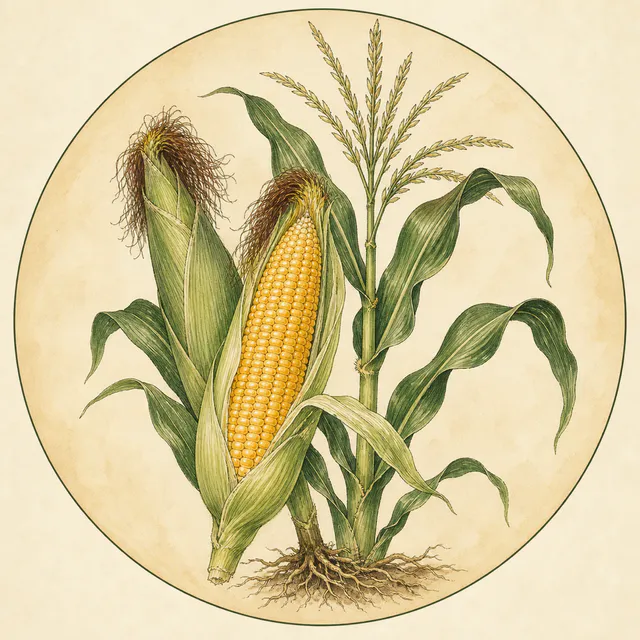
‘Swift’ is a popular quick-growing extra-tendersweet sweetcorn adapted to British conditions. Each plant produces one or two well-filled cobs about 20cm long from late summer. The extra-tendersweet type combines high sweetness with especially tender kernels.
The cultivar holds the RHS Award of Garden Merit. It still needs a long warm season, but its rapid growth and UK adaptation make it a useful early choice where summer heat is limited.
Size
- Ultimate height
- 1.5–2.5 metres
- Ultimate spread
- 0.1–0.5 metres
- Time to ultimate height
- 1 year
- Habit
- Columnar and upright
Plant several individuals in a compact block so wind-borne pollen reaches the silks and fills the 20cm cobs evenly.
Growing conditions
- Suitable soils
- Chalk, clay, loam or sand
- Moisture
- Moist but well drained
- Soil pH
- Acid, neutral or alkaline
Use fertile soil enriched with organic matter. Steady moisture and drainage support the quick growth and cob swelling without weakening roots.
Position and hardiness
- Light
- Full sun
- Aspect
- South- or west-facing
- Exposure
- Sheltered
- Hardiness
- H2 — tolerant of low temperatures but not freezing, approximately 1–5°C
Choose a warm sheltered site and wait until frost danger has passed before planting outside. Tall stems may need support in exposed weather.
Colour and seasonal interest
| Season | Foliage | Cobs and flowers |
|---|---|---|
| Spring | Green seedlings | — |
| Summer | Upright green leaves | Green tassels, silks and yellow kernels developing |
| Autumn | Green then declining | One or two mature 20cm golden cobs |
| Winter | Deciduous and cleared | — |
The cultivar is identified by fast growth, well-filled 20cm cobs and tender yellow kernels rather than an unusual ornamental colour.
Botanical details
- Family
- Poaceae
- Native to Great Britain and Ireland
- No
- Lifecycle
- Annual
- Foliage
- Deciduous
- Habit
- Columnar and upright
- Name status
- Accepted
- Award
- RHS Award of Garden Merit
How to grow
Cultivation
Provide a long warm growing season. Start seed under glass in mid-spring and plant after frost, or direct-sow once the soil is warm. Grow in blocks in fertile soil in a warm sunny sheltered position. Harvest from late summer when silks brown and kernel juice turns creamy.
Propagation
Propagate by seed. Use pots or modules for the most reliable start, harden plants off and retain their rootballs when transplanting.
Pruning
No pruning is required. Support or earth up plants if wind loosens their shallow roots.
Pests
Mice may eat seed; slugs and snails attack seedlings; birds and badgers take ripe cobs. Indoor sowing and secure protection reduce losses.
Diseases
The profile lists maize smut. Remove plants or cobs bearing suspicious galls and do not eat affected material.