
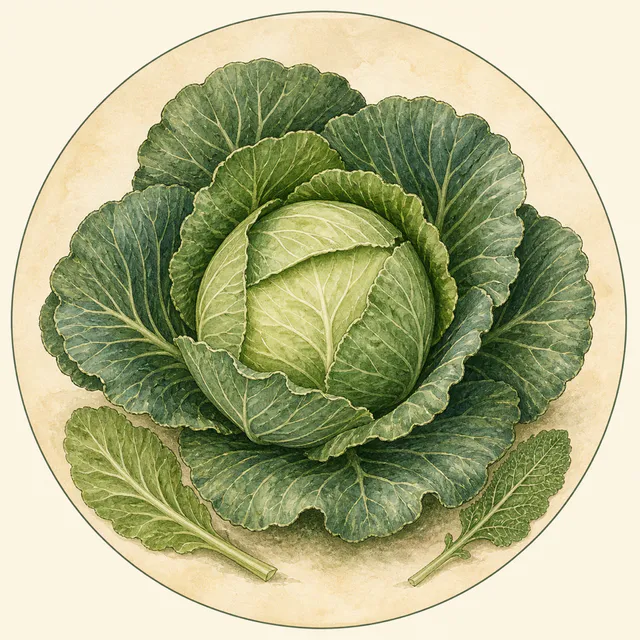
‘Candisa’
A compact, early-maturing summer cabbage with a sweet flavour.
The crop growing guide
This Allotment Pro editorial draft summarises the cited RHS guide. Check the source and adjust timings for local conditions.Read the original RHS source
Your season at a glance
Outdoors · Summer cabbages
Protect the earliest direct sowings with cloches or biodegradable fleece
Outdoors · Autumn and winter cabbages
Sow small batches to spread the later harvest
Outdoors · Spring cabbages
Sow for overwintering and harvesting as spring greens or mature heads
Indoors · Modules
Match the sowing date to the cabbage type and move strong plants outside after about five weeks
Outdoors · Transplant
Harden off indoor-raised plants and move seedlings when 10–15cm (4–6in) tall with five or six true leaves
Outdoors · Cut
A planned mixture of spring, summer, autumn and winter cultivars can provide firm heads throughout the year
Cabbages are hardy, versatile brassicas that can be sown indoors or outside and generally reach harvest in four to six months. Their heads range from small and pointed to large drumheads, with smooth, crinkled, green, blue, red or purple leaves. Growing small batches of types intended for different seasons is the key to avoiding gluts and maintaining a year-round supply.
Spring cabbages are sown in July to overwinter. They can be cut as loose spring greens or allowed to form small, dense, often pointed heads from mid-spring into mid-summer. Summer cabbages are sown from late winter to mid-spring and mature in mid- to late summer. These cultivars are bred to cope with summer heat and occur in many shapes and sizes. Autumn cabbages are sown from mid-spring to early summer. They often form large heads, need wider spacing and are harvested before winter; some store well for winter use. Winter cabbages include crinkled Savoys, smooth drumheads and red or purple forms. Sow in late spring or early summer, allow plenty of room, then cut through winter. Many stand well for months or can be stored somewhere cool and frost-free.
Grow cabbages in a sunny position with rich, firm, free-draining soil. Rotate them with other brassicas rather than using the same bed repeatedly. Fine insect-proof mesh is valuable from the seedling stage because caterpillars, root fly, whitefly and pigeons can all damage the crop.
Choose first by harvest season, then by head size, shape, colour, texture and disease resistance. Compact cabbages suit small plots, containers and smaller households, while robust winter cultivars generally make much larger plants. An RHS Award of Garden Merit identifies cultivars that performed well in RHS trials. Clubroot or downy-mildew resistance can be especially useful on plots with a history of those diseases.
Seed offers the widest range and is inexpensive. Young plants may be available in spring and summer and are convenient if only a few cabbages are needed, although they cost more and provide less choice.
A compact, early-maturing summer cabbage with a sweet flavour.
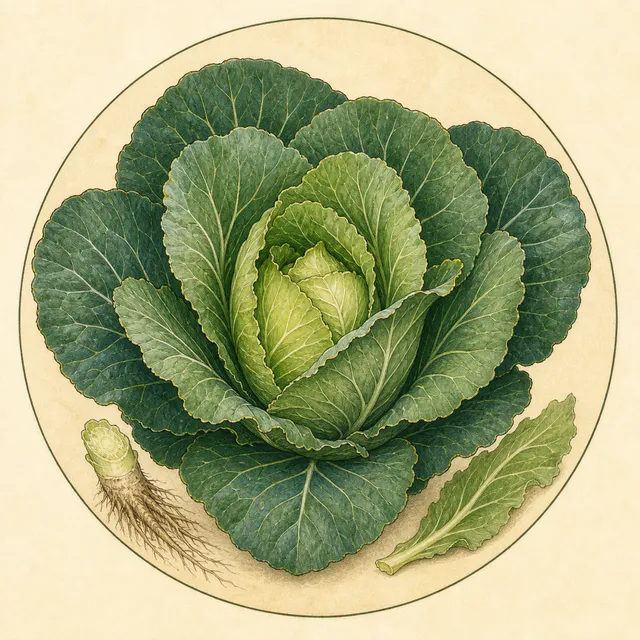
A spring cabbage that can be harvested young as spring greens or left to develop loose hearts.
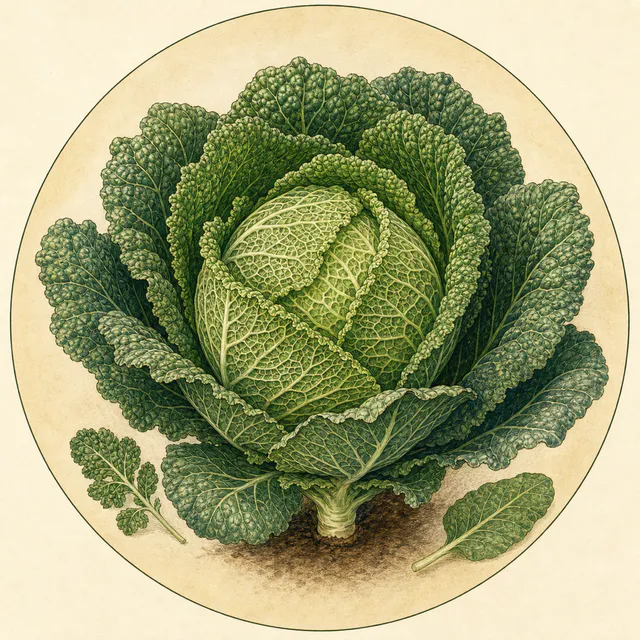
One of the hardiest winter cabbages, producing dense, crisp and sweet Savoy-type heads.
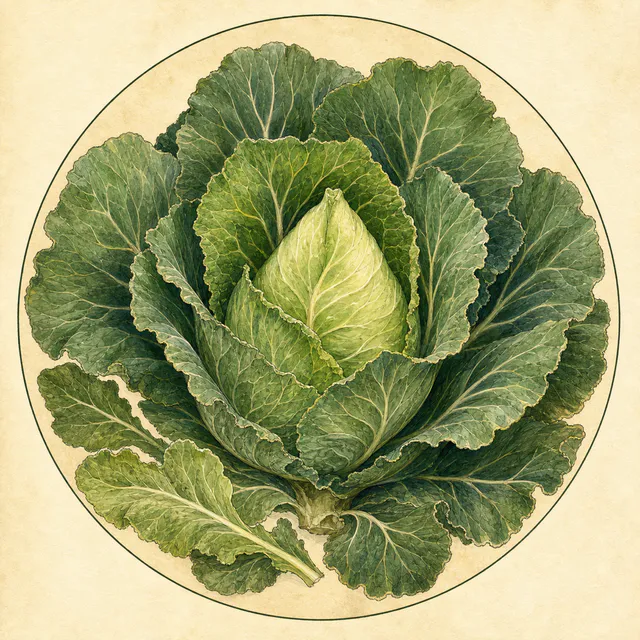
A versatile pointed cabbage capable of cropping throughout the year.
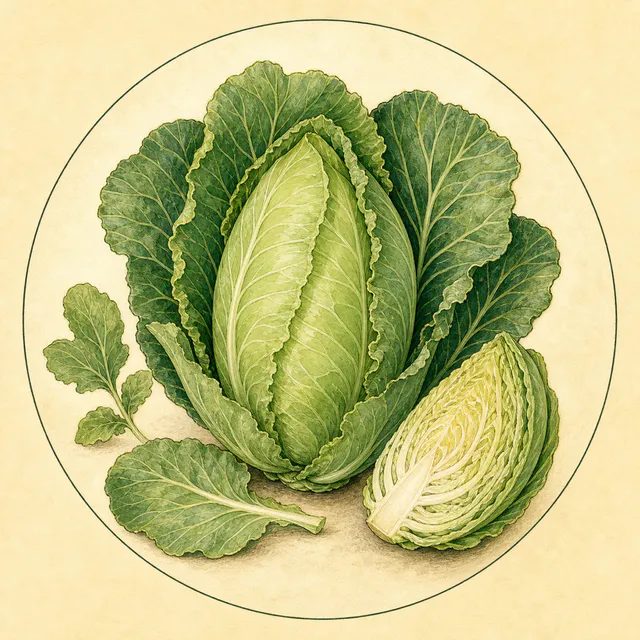
A productive spring cabbage forming small, pointed, mid-green heads.
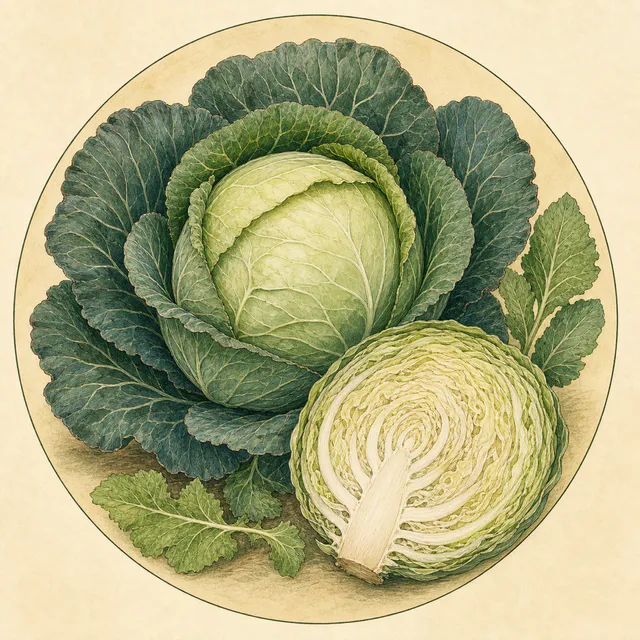
An early spring ball-head cabbage with a large head and crisp heart.
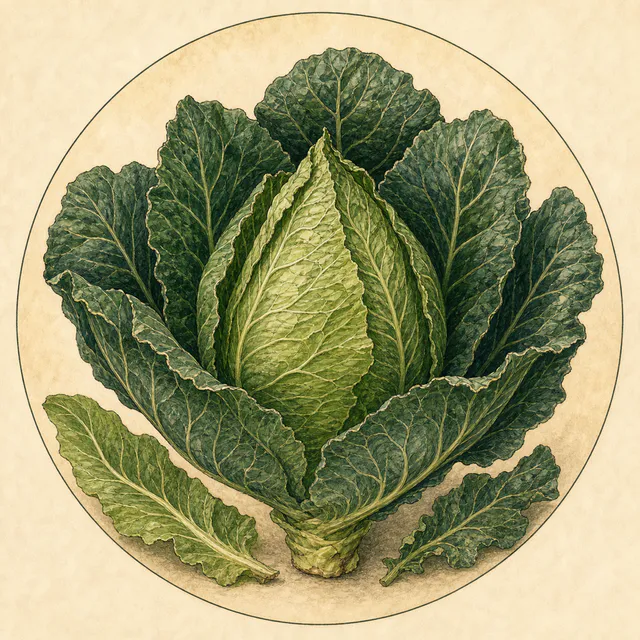
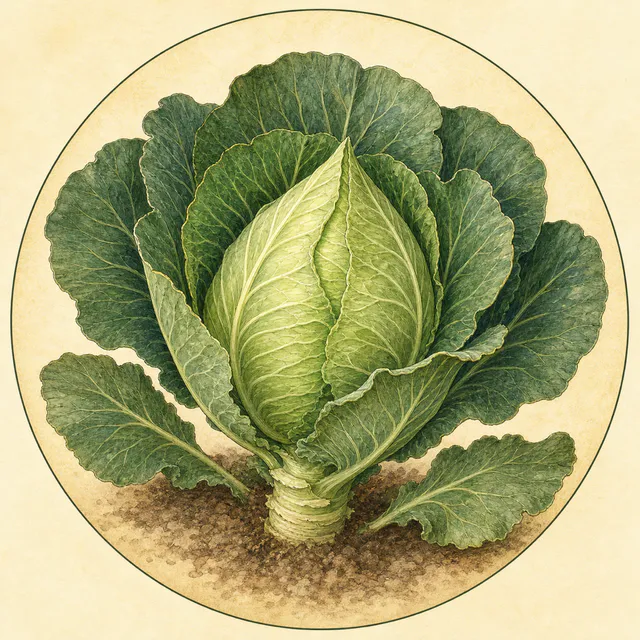
A summer cabbage producing uniform, compact and pointed hearts.
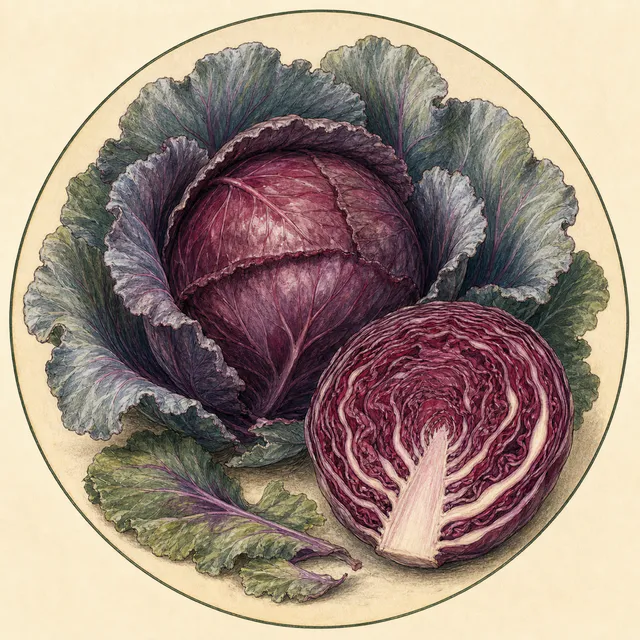
A strong red cabbage choice for harvesting in summer and autumn.
Select a sunny bed with fertile, free-draining soil that has not carried cabbages or other brassicas during the previous couple of years. Avoid ground prone to winter waterlogging, especially for overwintering cultivars. Keep cabbages together with the other brassicas in the crop-rotation plan to limit the build-up of soil-borne problems.
Test very acidic ground and, where necessary, apply lime in the winter before sowing to raise the pH above 6. This makes conditions less favourable for clubroot. Improve fertility with two bucketfuls of garden compost per square metre or square yard, preferably in autumn so the soil can consolidate through winter.
Cabbages prefer firm ground. If compost is added shortly before sowing or planting, firm the surface by shuffling over it on your heels, remove weeds, then rake to a fine, level tilth. For a no-dig bed, mulch with organic matter ahead of planting and set plants directly through the mulch.
Sow several small batches instead of one large quantity, using the cultivar's cropping group to choose the date. Raising seedlings in a separate seedbed saves space in the main plot while these slow-growing, widely spaced crops are young.
Indoor sowing gives an early, reliable start beyond the reach of slugs and snails and can help plants establish strong roots before entering clubroot-affected soil. Fill modular trays with damp peat-free seed compost and sow two seeds per module, 1cm (1/2in) deep. Keep the trays in a greenhouse or on a bright windowsill.
Remove the smaller seedling to leave one per module. Maintain good light and regular moisture. After about five weeks, plants with a sound root system should be 10–15cm (4–6in) tall and ready to harden off and transplant.
Direct-sow summer cabbages from February to April, protecting early sowings with cloches or biodegradable fleece. Sow autumn and winter cabbages from April to June, and spring cabbages in July.
Make a drill about 2cm (3/4in) deep and water along its base. In a seedbed, sow thinly and aim for 10cm (4in) between seedlings, thinning after emergence if necessary. In the final bed, sow three seeds at stations 30–45cm (12–18in) apart according to the cultivar, then retain one strong seedling at each station. Protect the row from slugs and snails and cover it with insect-proof mesh.
Modular trays can also be kept outdoors when ground space is scarce, using the same two-seed method and transplanting later.
Cabbage seed can be sown at any time of year as microgreens, with red cultivars giving particularly decorative seedlings. Sow densely into a small tray of damp peat-free seed compost on a sunny windowsill, water regularly and cut the young leaves after a few weeks.
Move seedbed, module-raised or bought plants to their final position when they are 10–15cm (4–6in) tall and carry five or six true leaves. Harden off plants raised indoors. Water the seedlings the previous day, lift them with minimal root disturbance and plant more deeply than before, with the lowest leaves at soil level. Firm thoroughly and water generously.
Space compact cultivars about 30cm (1ft) apart and larger cabbages up to 45cm (18in) apart, following the seed packet where it gives a cultivar-specific distance. Initially plant spring cabbages 10cm (4in) apart, then thin them in late February or March to 30cm (1ft), eating the thinnings as spring greens.
Protect young plants immediately from slugs and snails, and keep insect-proof mesh or biodegradable fleece over them to exclude insect pests.
For containers, choose a compact cultivar and use a large, deep pot filled with peat-free multipurpose compost. Plant one cabbage in a 30cm (12in) pot or no more than three in a 50cm (20in) pot. Do not crowd them: strong light and airflow are needed to prevent weak growth and fungal disease. Cabbages are not suitable for growing bags. Place pots in sun and water them consistently, especially in summer.
Cabbages grow slowly and steadily when supplied with consistent moisture and protected from animals. Remove faded outer leaves to maintain airflow around the heads.
Water young plants regularly while their root systems are small. Once established, soak the ground thoroughly every ten days during dry weather. Extra water as the heads begin to form helps increase their final size. Apply a thick mulch of well-rotted manure or garden compost to retain moisture and suppress weeds.
Poor soil can be supplemented with a nitrogen-rich fertiliser after plants settle into their final positions but before they begin forming hearts. Feed spring cabbages in early spring to support renewed growth.
Hoe regularly around young plants so weeds do not compete for light, water and nutrients. Keep the crop covered with fine insect-proof mesh supported on hoops or bamboo canes. Secure the edges so cabbage butterflies, root fly, whitefly and pigeons cannot reach the plants.
A selection of spring, summer, autumn and winter cultivars can supply cabbages all year. Most take four to six months from sowing to maturity. Cut once a firm head reaches the size required; harvesting every other plant first gives the remaining heads extra room to enlarge. Check mature plants regularly because heads eventually deteriorate even when they stand well for several weeks.
Use a sharp knife to cut through the stem just above ground level. After taking a spring or summer cabbage, score a cross 1cm (1/2in) deep into the stump to encourage a second, smaller head. Dig out the stumps once cropping finishes to reduce the spread of brassica diseases.
Freshly cut cabbage keeps in the refrigerator for at least a week. Suitable winter cabbages can be stored for several months in a cool, dry, frost-free place.
Prevention is easier than rescuing badly damaged plants. Rotate brassicas, improve drainage, correct very acidic soil and raise strong transplants. Keep fine mesh over plants from sowing or planting, and inspect both sides of the leaves regularly.
Roots become swollen and distorted, leaving plants stunted, weak or prone to wilting. Avoid moving contaminated soil, improve drainage, raise acidic soil pH and use resistant cultivars or strong transplants where the disease is known.
Problem sourceLarvae of several butterflies and moths chew holes in the leaves and may work into the heart. Secure fine mesh before adults lay eggs, inspect leaves and remove caterpillars when found.
Problem sourceWhite maggots feed on brassica roots and can cause seedlings to wilt or fail. Fine mesh and closely fitted collars around stems help prevent egg-laying.
Problem sourceSmall white-winged insects live beneath cabbage leaves. They are often not serious, but large colonies can produce sticky honeydew. Preserve predators and remove heavily affected outer foliage.
Problem sourceTiny beetles pepper seedling leaves with small holes and may check establishment. Cover sowings promptly and keep young plants growing without moisture stress.
Problem sourceGrey-green, waxy aphids form colonies on leaves and growing points. Established plants tolerate small numbers, but heavy infestations can spoil edible heads and damage young growth.
Problem sourceThis foliar disease produces white blister-like patches, reduces vigour and may distort growth. Remove affected material, maintain airflow and avoid wetting foliage unnecessarily.
Problem sourcePigeons tear cabbage leaves and may leave only stalks and large veins. Protect the crop with mesh or netting held securely above the foliage.
Problem sourceSeedlings and soft young leaves are especially vulnerable. Inspect damp hiding places, protect new transplants and combine suitable control methods where damage persists.
Problem source