
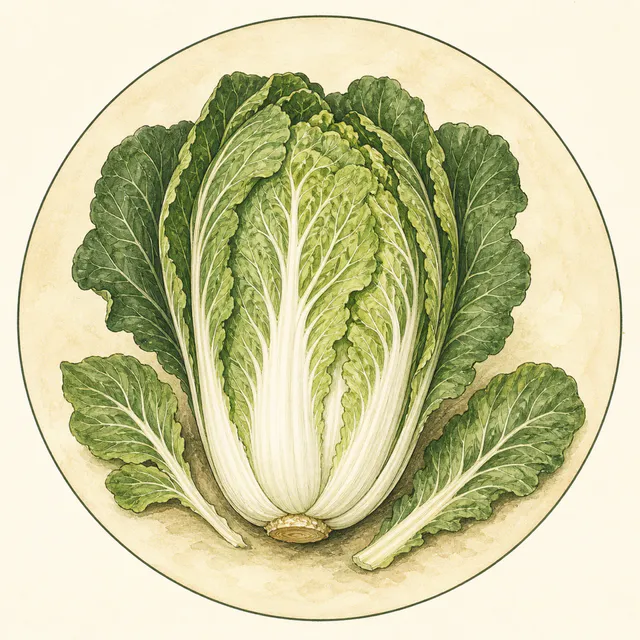
‘Natsuki’
A crisp, smooth-leaved multi-purpose cultivar with useful resistance to tip burn and bolting. It can mature about seven weeks after a May or June sowing.
The crop growing guide
This Allotment Pro editorial draft summarises the cited RHS guide. Check the source and adjust timings for local conditions.Read the original RHS source
Your season at a glance
Indoors
Module sow — Start two seeds per module at 1cm (½in) deep, thinning to the stronger seedling
Outdoors
Direct sow — Sow 1cm (½in) deep in small batches about every three weeks; late-summer sowings are less prone to bolting
Outdoors
Transplant — Harden off sturdy 10cm (4in) seedlings, then plant 15cm (6in) apart for salad leaves or 30cm (12in) apart for mature heads
Outdoors or container
Cut leaves — Begin cut-and-come-again salad harvests from about six weeks after sowing
Outdoors
Cut heads — Harvest mature heads from about ten weeks after sowing
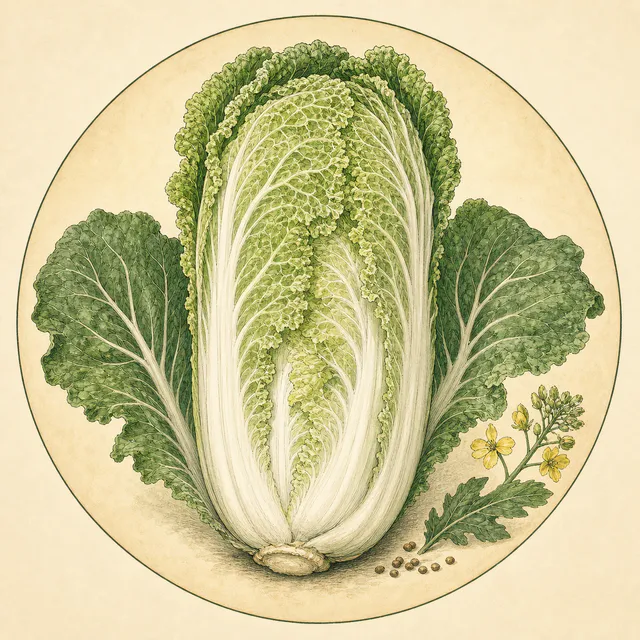
Chinese cabbages are fast-growing oriental brassicas, also sold as Chinese leaves or napa cabbage. Young leaves provide a crisp cut-and-come-again salad crop, while plants left longer form mild, succulent heads with broad white mid-ribs. The leaves can be eaten raw or cooked briefly by steaming, sautéing or stir-frying.
Most mature heads are tall and cylindrical, rather like dense upright lettuces, although some cultivars are barrel-shaped or more loosely leafed. Salad crops occupy little space and suit containers; full heads need generous spacing so the heart can fill properly.
The main growing challenge is bolting—premature flowering triggered by a check in growth. Cold spring conditions, high summer temperatures and dry soil can all cause it. Late-summer sowing, bolt-resistant cultivars, partial shade in warm weather and consistently moist soil improve reliability. Include Chinese cabbage with other brassicas in the crop rotation because it shares their pests and soil-borne diseases.
Choose close spacing for frequent baby-leaf harvests, intermediate spacing in containers for semi-mature heads, or full spacing in fertile ground for large cabbages. Successional small sowings provide better continuity than one large row and reduce the risk that every plant bolts or matures at once.
Seed cultivars vary in head size and shape, growth speed, leaf colour, flavour, disease resistance and tendency to bolt. Most have crisp green leaves and wide white mid-ribs, though some show purple colouring. For mature heads in variable weather, choose cultivars specifically described as slow or resistant to bolting.
RHS Award of Garden Merit cultivars have performed reliably in trials. Seed is generally available from larger garden retailers and online suppliers.
A crisp, smooth-leaved multi-purpose cultivar with useful resistance to tip burn and bolting. It can mature about seven weeks after a May or June sowing.
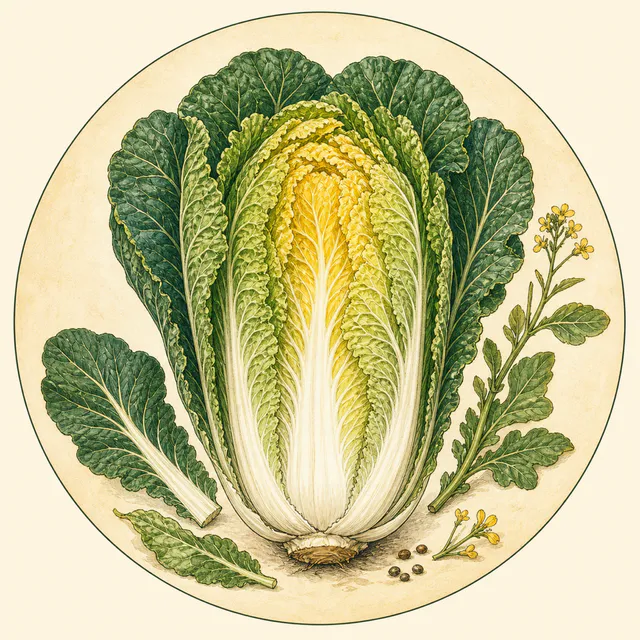
A compact, upright cultivar suited to growers wanting a space-efficient head with an orderly vertical habit.
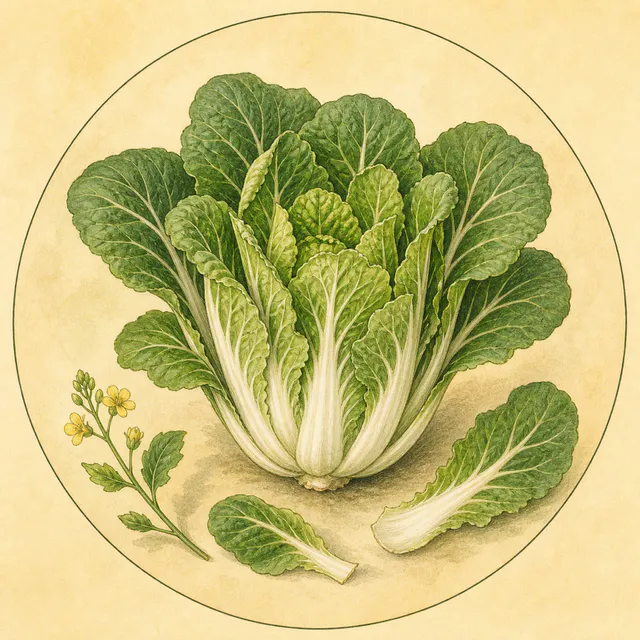
A very fast-growing, uniform and compact Chinese cabbage with sweet, tender green leaves, white veins and a good crunch.
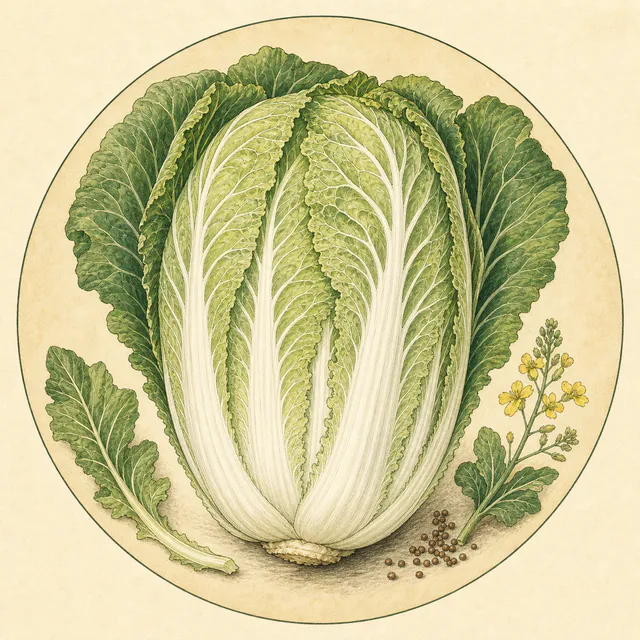
A large barrel-headed cultivar forming a dense crop of crisp leaves.
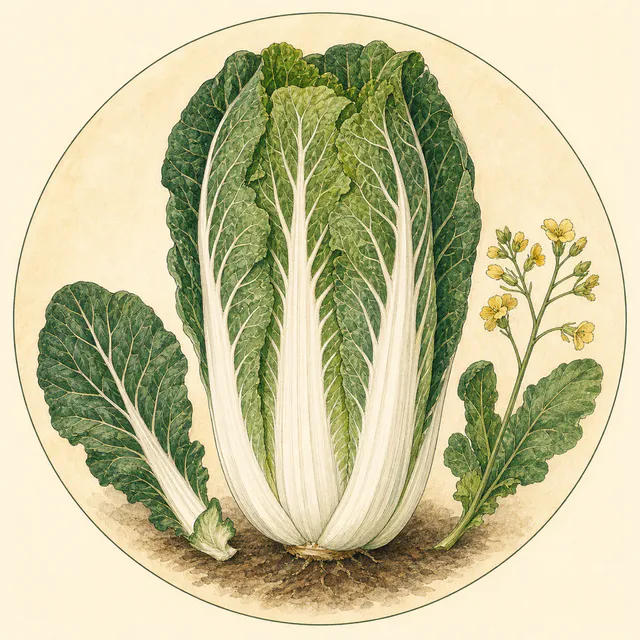
A compact cabbage with dark-green leaves, prominent white ribs and a delicate flavour. It offers good disease resistance and is slow to bolt.
Choose deep, rich, moisture-retentive soil in an open sunny site. Some shade during hot summer weather helps keep plants cool and reduces bolting. Remove weeds thoroughly, then incorporate several bucketfuls of well-rotted manure or garden compost per square metre or square yard. Organic matter improves water retention, which is important for uninterrupted leafy growth.
Firm the prepared ground gently and rake it to a fine, level texture, removing large stones. For a no-dig bed, spread organic matter over the surface and sow or plant through the mulch.
Test the soil if it is acidic. Where pH is below 6, applying lime can raise the pH and help deter club root. Lime according to a soil test rather than guessing, and rotate Chinese cabbage with its brassica relatives to slow the build-up of soil-borne infection.
Allow rows 40–45cm (16–18in) apart for direct sowing. Within rows, plan 15cm (6in) between plants harvested for salad leaves and 30cm (12in) for mature heads. Adequate spacing helps heads form and makes inspection easier beneath protective mesh.
Sow from mid-spring to late summer. Indoor sowing protects delicate seedlings from unsettled weather and slugs, while direct sowing is quick once the ground is warm. Avoid long interruptions in growth, as checks caused by cold, drought or root disturbance make bolting more likely.
From mid-spring, fill modular trays with peat-free seed compost and water it thoroughly. Sow two seeds per module about 1cm (½in) deep. If both emerge, remove the smaller or weaker seedling so the remaining plant develops without competition. Keep trays in bright light and water regularly.
Modules preserve the root ball when plants move outside. This reduces transplant shock and helps prevent the growth check that can trigger premature flowering.
Direct-sow from May to August. Late-summer sowings are often the most dependable because warm nights reduce bolting risk. For an earlier crop, choose bolt-resistant seed and use biodegradable fleece during cool weather.
Make a drill 1cm (½in) deep and water its base if the soil is dry. Sow thinly, cover lightly and leave 40–45cm (16–18in) between rows. Repeat a small sowing roughly every three weeks for continuous harvesting. Germination should take one to two weeks.
Thin seedlings to 15cm (6in) apart for baby leaves or 30cm (12in) for large heads. Add sound thinnings to salads rather than wasting them.
Containers are useful where ground space is limited or club root is established in the garden soil. Choose a pot at least 30cm (12in) wide and deep; smaller containers dry too quickly for this moisture-loving crop. Place it in semi-shade and fill with peat-free multi-purpose compost.
Moisten the compost, scatter seed thinly and cover with 1cm (½in) of compost. Thin to 15cm (6in) for baby leaves or 25cm (10in) for small semi-mature heads. Do not crowd plants beyond the intended harvest stage.
Indoor-raised seedlings are ready to transplant when about 10cm (4in) tall with a good root system. Harden them off gradually before planting so the transition outdoors does not check their growth. Water the modules and prepared ground, then handle each plant by its root ball rather than its stem.
Set transplants 15cm (6in) apart for baby salad leaves or 30cm (12in) apart for mature heads. Keep the original soil level around the crown, firm gently and water in. Install insect-proof mesh immediately for plants intended to grow into heads, securing the edges so cabbage root flies and egg-laying butterflies cannot enter.
Choose a mild, still day and avoid letting roots dry during planting. Continue watering until plants are firmly established. A smooth transition is particularly important for Chinese cabbage because even a short growth check can initiate bolting.
Once established, Chinese cabbage needs consistent moisture, a clean bed and protection from brassica pests. Rapid uninterrupted growth gives the most tender leaves and best-filled heads.
Water seedlings and young plants regularly until well rooted. Established plants still need water during dry spells, and container crops require more frequent attention. Water in the early morning so moisture reaches the roots before the day warms and less is lost through evaporation.
Do not allow the soil to swing between very dry and saturated. Consistent moisture encourages steady head formation and helps deter premature flowering.
Once plants are growing strongly, spread a thick layer of garden compost or other organic mulch over damp soil around them. Mulch holds moisture and suppresses weed germination. Keep it clear of the central heart.
Hoe or hand-weed regularly so the crop does not compete for light and water. Remove weeds before they shelter slugs and snails beneath the leaves.
Hot, dry weather makes bolting more likely. In summer, grow bolt-resistant cultivars, maintain moisture and shade plants from intense midday sun where possible. If a flower stem appears, remove it before its buds open and cook it lightly like broccoli. Harvest the rest of that plant immediately, and monitor others from the same sowing because they may bolt soon.
Cover head-forming crops with insect-proof mesh in summer to exclude cabbage caterpillars and cabbage root fly. Short-lived salad crops are less likely to require prolonged protection, though seedlings may still need defence from slugs, flea beetles and birds.
Autumn rain and persistent damp can rot a nearly mature heart. Use cloches to keep prolonged rain off the head while maintaining airflow around the foliage.
Harvest crisp salad leaves through summer and autumn from repeat sowings, or allow widely spaced plants to mature into full heads between July and November. Young leaves have a mild refreshing flavour; mature white mid-ribs retain a useful crunch when cooked briefly.
Begin leaf harvests from about six weeks after sowing. Take a few outer leaves from several plants, leaving each centre to grow, or allow the roots to establish and cut all leaves from selected plants. Healthy crowns can re-sprout several times.
Full heads take about ten weeks. Most cultivars heart without help, but a loose variety may need soft twine or raffia tied around it as maturity approaches. Do not bind tightly or trap water inside.
Cut the stem just below the lowest leaves with a sharp knife and leave a short stump. It may produce more leaves or a smaller secondary head. Slice harvested cabbage for stir-fries, steam or sauté it, add it to soups, or use the crisp leaves raw.
Cold in spring, or heat and drought in summer, may cause bolting before a usable head forms. Maintain steady growth, use partial summer shade and choose appropriate cultivars. Fine mesh excludes several damaging insects, while crop rotation, suitable pH and good drainage reduce disease risk.
Premature flowering makes leaves less useful and prevents good heart formation. Avoid checks from cold, heat, drought or root disturbance, and harvest promptly if a flower stem rises.
Problem sourceThis soil-borne brassica disease causes swollen distorted roots, stunting and wilting. Rotate crops, improve drainage, avoid transferring infected soil and lime ground below pH 6 when a test indicates it is appropriate.
Problem sourceButterfly and moth larvae chew holes in leaves and can spoil developing heads. Fit insect-proof mesh before eggs are laid and inspect foliage regularly.
Problem sourceRoot-feeding maggots cause seedlings and young plants to wilt or collapse. Secure fine mesh at soil level so adult flies cannot reach the plant bases.
Problem sourceSmall beetles pepper young brassica leaves with holes and may check seedlings. Keep plants watered and use fine mesh while they are vulnerable.
Problem sourcePigeons tear foliage and may strip leaves back to their stalks and main veins. Protect the crop with securely supported mesh or netting.
Problem sourceThese molluscs damage seedlings and hide beneath crowded foliage or debris. Inspect damp sheltering places, weed regularly and favour wildlife-friendly controls.
Problem source