
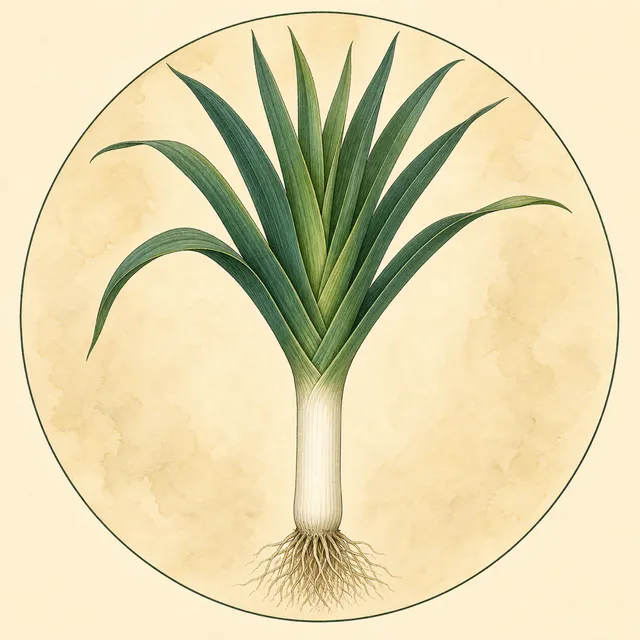
‘Porvite’ (Autumn Giant 2 Group)
An autumn and early-winter leek with large, uniform stems. It stands well over a long period and has good resistance to bolting.
The crop growing guide
This Allotment Pro editorial draft summarises the cited RHS guide. Check the source and adjust timings for local conditions.Read the original RHS source
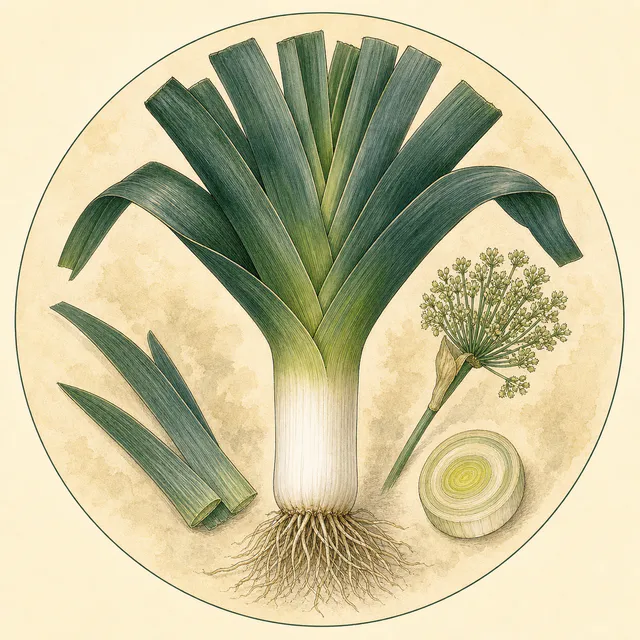
Your season at a glance
sow indoors on a bright windowsill or in a greenhouse for an earlier crop.
make the main outdoor sowings in a seedbed or final position.
sow later-cropping winter and spring cultivars, or fast-growing types for baby leeks.
plant indoor-raised leeks outside after hardening them off.
transplant seedbed plants when about 20cm tall and pencil thick.
begin with smaller or baby leeks and lift alternate plants to widen the remainder.
harvest mature and late cultivars as required, leaving hardy plants standing through winter.
Leeks (*Allium porrum*) are reliable, mild-flavoured members of the onion family. They grow slowly and steadily from spring sowing through summer and autumn, with mature plants usually taking about six months. Their great advantage is flexibility: baby leeks can be ready within a couple of months, while hardy winter cultivars can stand outside and be lifted only when needed.
Most growers raise leeks closely spaced in a seedbed or modules, then transplant them into their final rows. This uses spring ground efficiently and allows deeper planting, which creates the long blanched white base known as the shank. Established leeks are hardy and normally need no frost protection.
Match the cultivar to its harvest season and your space. Early leeks crop from late summer into autumn, mid-season forms carry the harvest through winter, and late types stand into the following spring. Some are tall and long-shanked; others are compact, stout and useful on small plots. Blue- or purple-tinted leaves can add winter interest.
Disease resistance matters where leek rust has occurred before. Bolting resistance is useful for early crops exposed to unsettled spring temperatures. RHS Award of Garden Merit cultivars have performed consistently in trials.
An autumn and early-winter leek with large, uniform stems. It stands well over a long period and has good resistance to bolting.
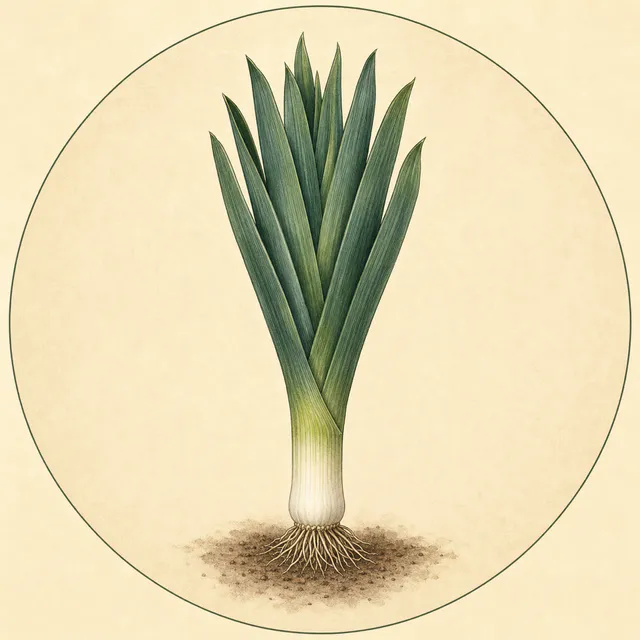
A compact upright cultivar for smaller plots, maturing from December after a spring sowing and offering good disease resistance.
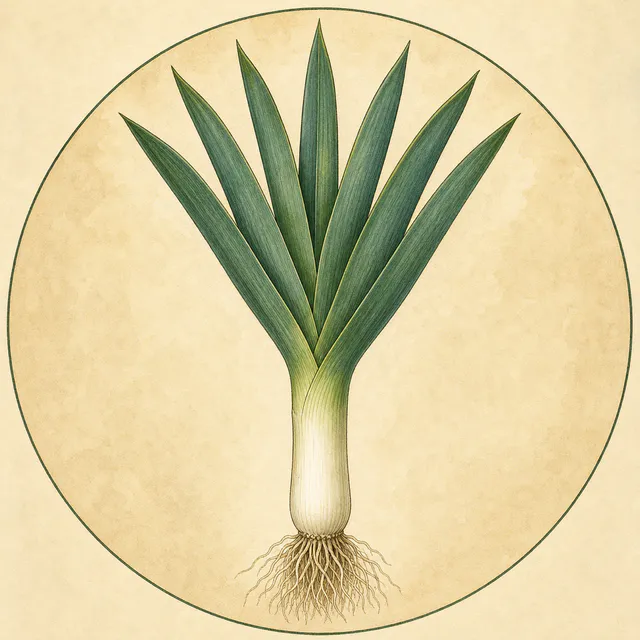
An early-maturing, high-yielding F1 hybrid that bulks quickly and evenly, with long stems beneath blue-green foliage.
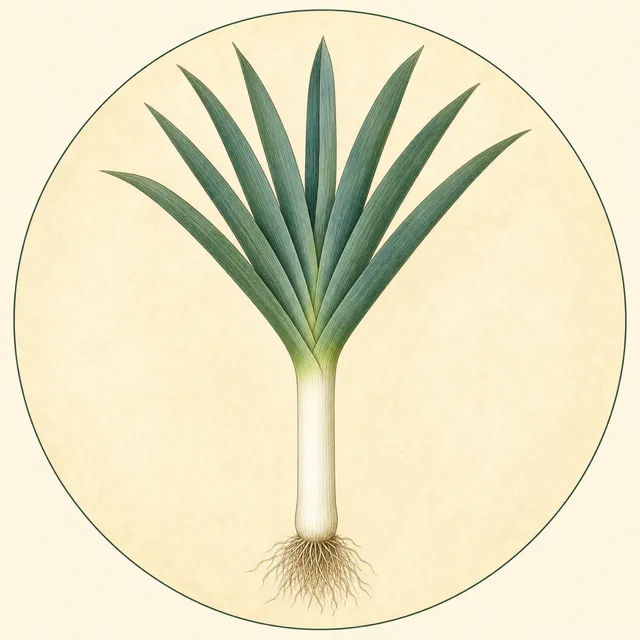
A vigorous modern British-bred F1 hybrid for winter harvests, with useful resistance to rust and bolting.
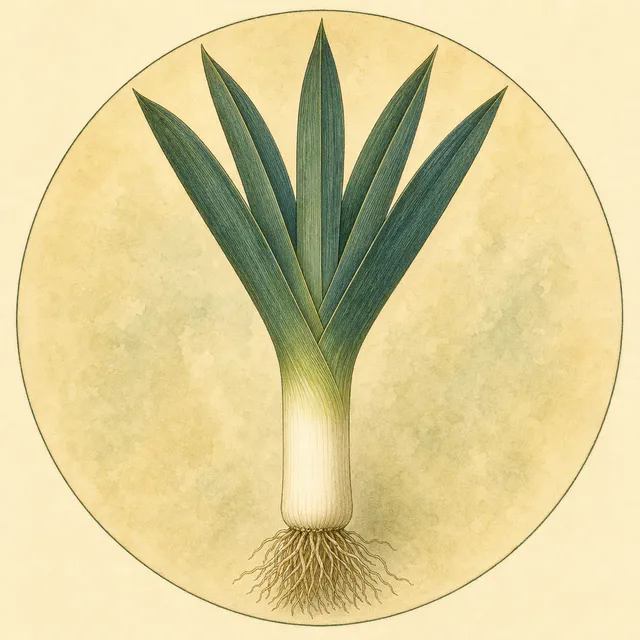
A late cultivar for winter through spring, distinguished by dark leaves and thick, pure-white stems.
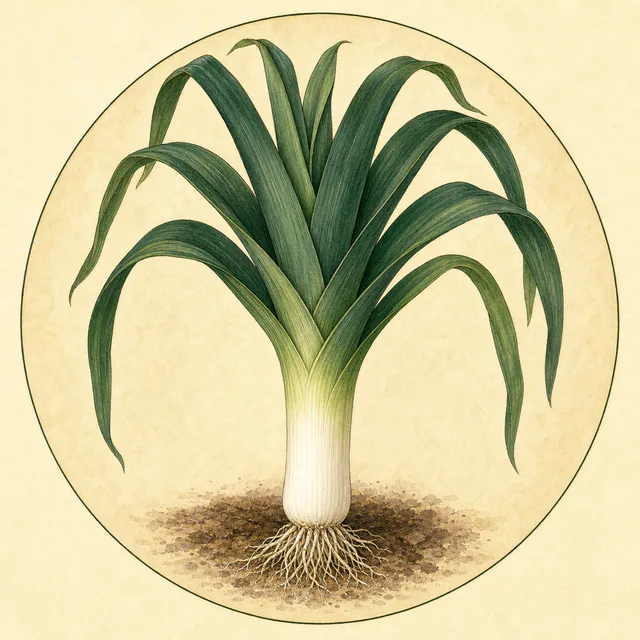
A long-season leek for October to February, with thick pure-white stems and dark-green leaves. It remains in good condition for months.
Choose a sunny, free-draining site where leeks, onions and their relatives have not grown for several years. Remove perennial and annual weeds thoroughly, because the narrow upright foliage casts little shade and does not suppress competitors.
Improve the bed with about two bucketfuls of garden compost or well-rotted manure per square metre or square yard. Rake out lumps and stones to leave an even surface. In a no-dig system, apply organic matter as a surface mulch before planting through it.
The usual method is to sow in a separate spring seedbed and transplant later, freeing the final plot for a quick early crop. Indoor sowing from late winter advances the harvest, while direct sowing at final spacing avoids transplanting but occupies ground for longer.
Fill small pots or modules with peat-free seed compost, water gently, then sow thinly about 1.5cm deep. Keep seedlings above 10°C in good light and maintain slightly moist compost. Pot on if roots emerge through drainage holes. Plants are generally ready to go outside after about eight weeks, when around 20cm tall; harden them off first.
March and April are the main sowing months, although winter and spring cultivars may be sown in May or June. Make a shallow drill about 1.5cm deep, water its base, sow thinly and cover. Leave about 30cm between additional rows.
Protect early drills with cloches or plastic-free fleece during cold spells, which can initiate premature flowering. After about two months, when seedlings reach roughly 20cm, transplant them or thin direct rows to 15–20cm. Removed plants can start another row or be used as baby leeks.
Large, deep containers suit baby leeks best, although attentive growers can raise mature plants too. Use peat-free multipurpose compost and the same sowing method. A pot about 40cm wide can potentially hold four or five mature leeks; do not crowd them if long thick shanks are the goal.
Move leeks to their permanent positions when about 20cm tall and pencil thick. Water the seedbed first if dry, lift carefully, and acclimatise any indoor-raised plants to outside conditions.
Make holes with a large dibber or trowel handle, approximately 15cm deep and 5cm across. Space standard leeks 15–20cm apart, baby leeks about 10cm apart, and rows 30cm apart. Trim roots to about 2.5cm, stand one leek in each hole, then fill the hole with water. This “puddling in” settles soil around the roots; do not backfill the hole. The deep position excludes light and encourages a longer white shank.
The same method and spacings apply in large containers. Keep newly transplanted plants watered until roots establish and new growth resumes.
Keep rows weed-free and water during prolonged dry periods. Earth up gradually to lengthen the white base, but avoid dropping soil between the leaves. The soil ridge also improves stability in winter storms. If a flower stalk appears, remove it promptly before the leek centre becomes fibrous; tightly closed scapes are edible when lightly cooked.
Water seedlings and young transplants until they are growing strongly. Established ground-grown plants need extra water mainly during extended dry weather. Direct water at soil level rather than wetting foliage, which can encourage fungal disease. Containers dry faster and need regular checks throughout the season.
Apply garden compost or another suitable mulch around established plants to conserve moisture and slow weed germination. Hoe carefully between rows and weed by hand close to stems to avoid damage.
Draw soil around the stems several times as they lengthen, always keeping it out of the leaf fans. Mature leeks need no frost cover, but insect-proof mesh can exclude several damaging flies and moths if fitted before adults reach the crop.
Leeks can be lifted at almost any useful size. Baby leeks may take only two months; full-sized plants commonly need around six. Begin in late summer while some are still small to extend the season. Harvesting alternate plants creates more room for those left behind.
Loosen the ground with a fork and lift an individual plant without disturbing its neighbours. Late cultivars can remain outside throughout winter and into spring, ready to harvest as required, and frost may sweeten their flavour. Do not leave bolted plants expecting them to improve, because the central stem becomes tough.
Rotation, clean planting material, airflow and timely mesh prevent many leek problems. Cold spring conditions can cause bolting, while wet foliage and crowded crops favour fungal disease. Inspect leaf bases regularly because mining larvae and moth caterpillars may be hidden inside the plant.
Cold spells or changing day length can initiate premature flowering. Protect early sowings and remove flower stalks as soon as they appear, before the leek becomes fibrous.
Problem sourceLarvae tunnel within leaves and stems, causing distortion and opening tissue to decay. Insect-proof mesh during adult activity is the most dependable physical barrier.
Problem sourceBright orange raised pustules develop on leaves. Avoid crowding and overhead watering, remove badly affected debris, and select resistant cultivars where rust recurs.
Problem sourceThis persistent soil-borne fungal disease causes yellowing, wilting and decay around roots and the stem base. Do not move contaminated soil or allium material to clean beds.
Problem sourceCaterpillars mine leaves and work down into stems, leaving brown patches and shredded growth. Fine mesh prevents egg laying where this spreading pest is active.
Problem sourceMaggots damage roots and basal tissue and can kill seedlings. Rotation, clearing waste and protecting vulnerable young plants help limit attacks.
Problem sourceThese animals chew seedlings and tender foliage, especially in damp shelter. Check at night, reduce hiding places and protect young plants while they establish.
Problem source