
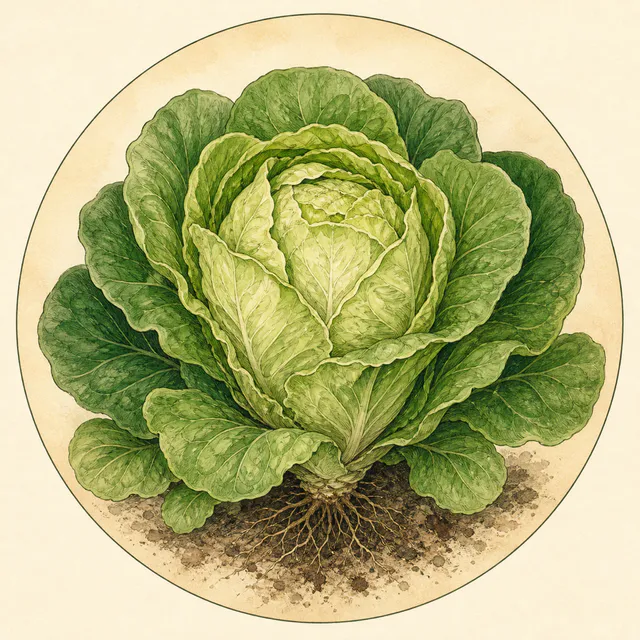
‘Winter Density’ AGM
A low semi-cos with crisp hearts, useful winter hardiness and good bolt resistance.
The crop growing guide
This Allotment Pro editorial draft summarises the cited RHS guide. Check the source and adjust timings for local conditions.Read the original RHS source
Your season at a glance
sow indoors for an extra-early crop to plant under cloches in March.
sow short outdoor rows for summer and autumn harvests.
sow for early-winter crops and protect from late September.
sow hardy winter cultivars under cover for spring harvests.
harden off strong module or plug plants before moving them outside.
plant hardy types in a greenhouse, coldframe container or sheltered cloche for winter.
harvest suitable seasonal cultivars, with repeated small sowings extending supply.
Lettuces (Lactuca sativa) are compact, quick and varied crops for beds, borders, balconies and patio containers. Leaves range from soft and juicy to crisp and crunchy, in greens, reds and many decorative shapes. Sow small batches often rather than one large row, so heads reach readiness in manageable numbers and replacements are always developing.
Hearting lettuces are cut whole once mature. Loose-leaf types can provide their first picking in about a month and continue as cut-and-come-again crops. Keep all types consistently moist: heat and drought promote bolting, which makes leaves bitter. Slug and snail protection is usually essential.
Butterheads form open heads of soft mild leaves and mature fairly quickly. Cos or romaine lettuces make upright oblong heads with crisp midribs. Crispheads, including iceberg types, form dense curled hearts, store better and tend to resist bolting. These hearting groups can take up to three months and need more room.
Loose-leaf cultivars form open rosettes for repeated individual-leaf harvests. They are fast, decorative and particularly useful in containers or small gaps. Buy fresh seed each year where possible, because lettuce seed does not retain reliable germination indefinitely.
A low semi-cos with crisp hearts, useful winter hardiness and good bolt resistance.
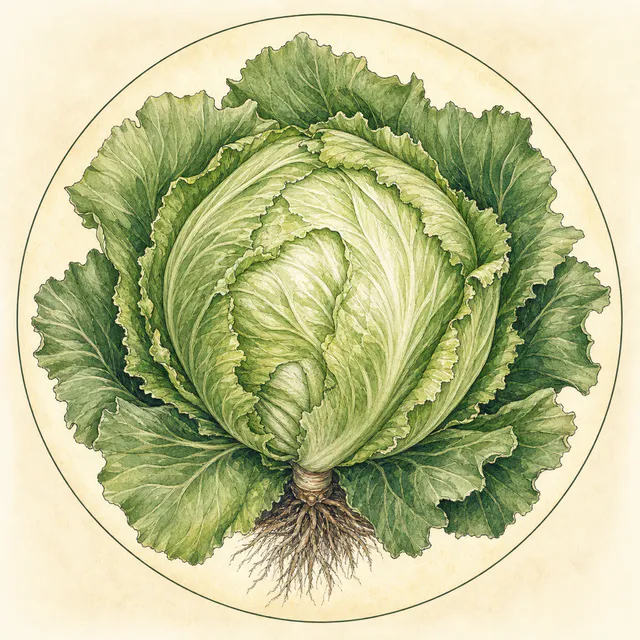
A compact medium-sized green crisphead or iceberg lettuce with a dense round head and few wasted outer leaves.
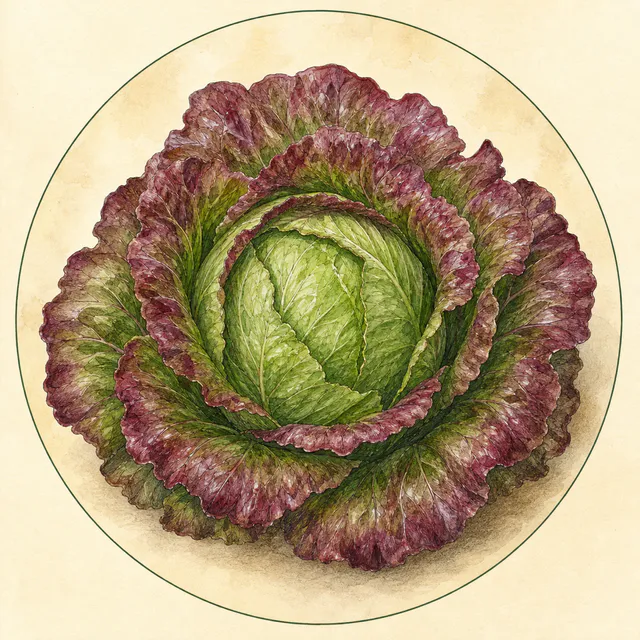
A robust crisphead whose smooth crisp outer leaves develop red tints around a green heart. It is slow to bolt.
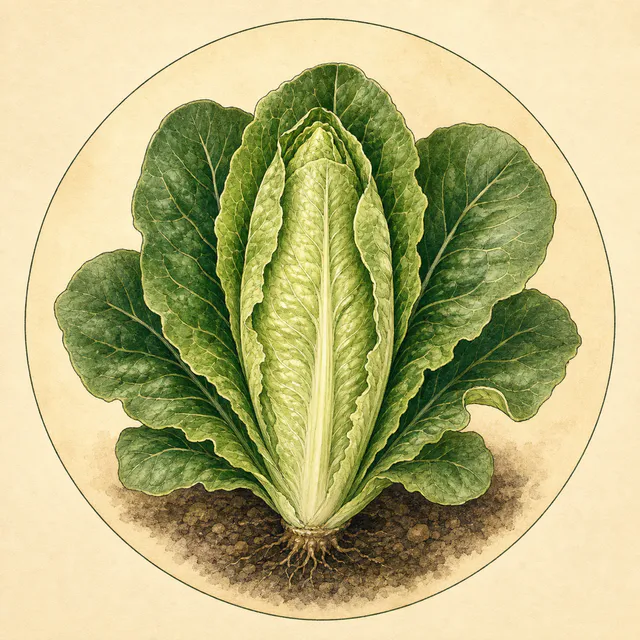
A small cos lettuce with a solid, sweet and crisp heart, ideal for limited space and containers.
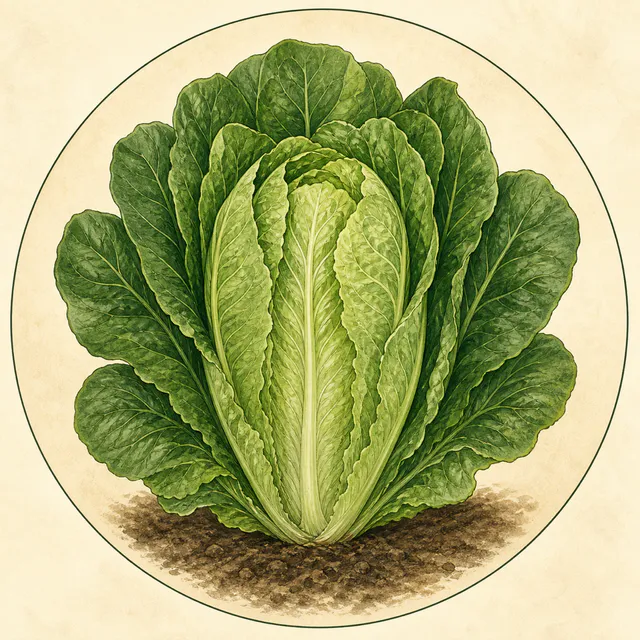
A dense, crisp and compact green cos, widely valued for its upright heart and strong texture.
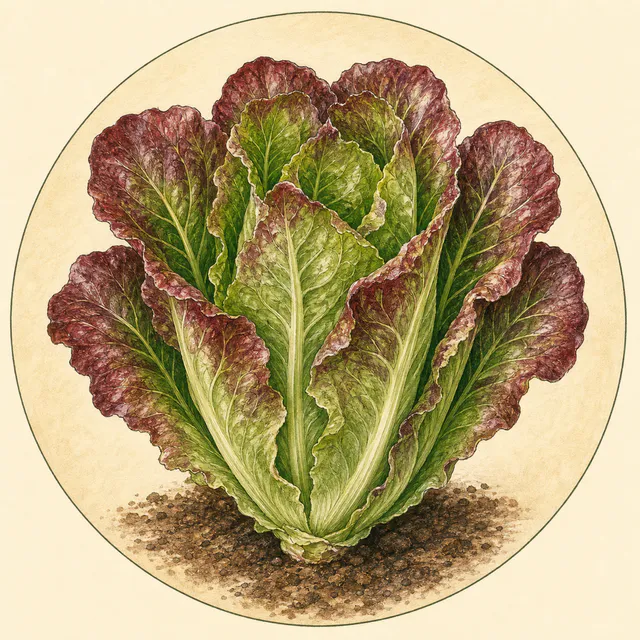
A modern compact cos with sweet crunchy red-and-green, teardrop-shaped leaves and wavy margins.
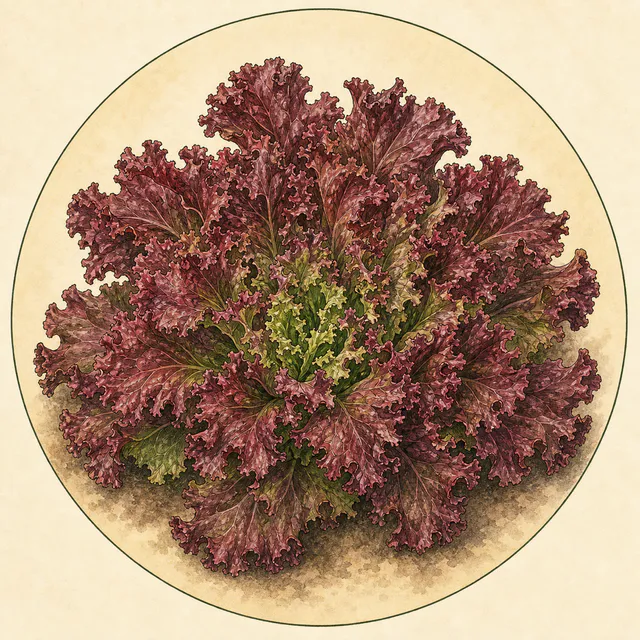
An heirloom loose-leaf lettuce with deeply frilled green leaves edged red, suited to repeated picking.
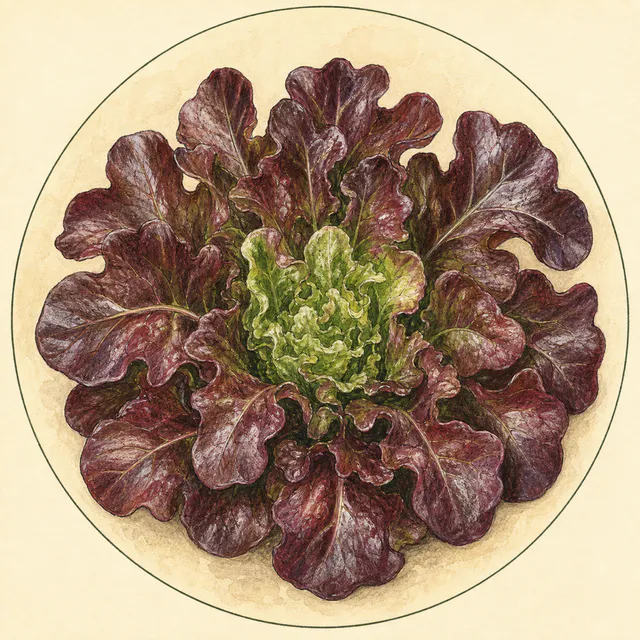
A compact loose-hearted oakleaf with glossy very dark-red leaves and a green centre, resistant to downy mildew and aphids.
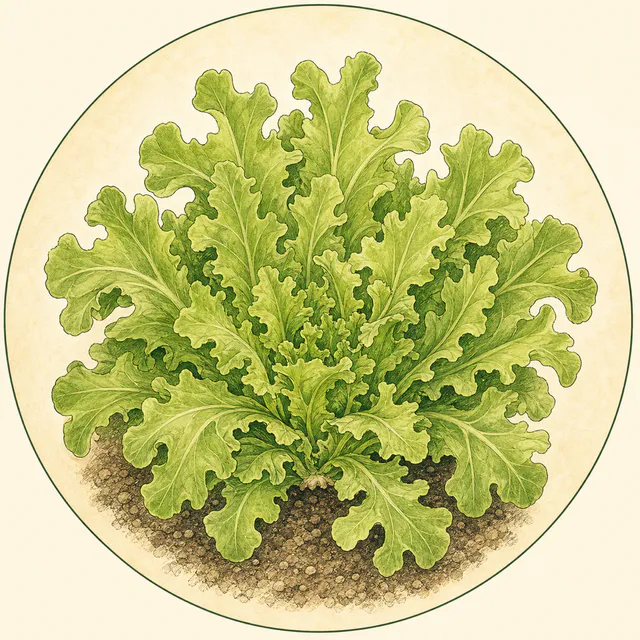
A light, crunchy loose-leaf cultivar producing many deeply lobed lime-green oak-shaped leaves for cut-and-come-again harvests.
Choose fertile, moisture-retentive soil. Full sun is generally best, but light shade during the hottest summer hours keeps leaves cooler and reduces bolting. Remove weeds and large stones, then incorporate plenty of garden compost. In a no-dig bed, mulch with organic matter and plant through it.
Avoid sites that dry rapidly. Consistent moisture is more important than heavy feeding, and good airflow helps suppress grey mould and downy mildew.
Sow indoors or outside from spring into autumn, matching the cultivar to the intended season. Loose-leaf plants can fill gaps between slower crops because they are removed before their neighbours need the space. During hot spells, sow in the evening, use cold water and shade the seedbed because high temperatures can prevent germination.
Sow thinly in pots, seed trays or modules of moist peat-free seed compost and keep in a bright, warm place. Once seedlings have a few leaves and can be handled, prick them into individual modules or pots. Grow strongly, harden off and plant outside from spring. Keep colder-season plants under cover.
Make shallow drills 1cm deep in prepared soil, with rows 30cm apart. Sow a short row every fortnight for continuity. Thin gradually to 15–30cm according to type; hearting cultivars need the wider spacing to make firm heads. Protect young seedlings from slugs, snails, birds and cold with appropriate fleece or cloches.
Use a container at least 30cm wide, filled with moist peat-free multipurpose compost. Growing bags also work. Thin to the same final spacings and move containers out of fierce midday sun in summer. A coldframe or greenhouse extends the season.
Harden off indoor-raised or purchased plug plants. Set larger hearting lettuces about 30cm apart and smaller loose-leaf types about 15cm apart. Containers for mature plants should be at least 30cm wide and deep. Do not bury the central growing point.
Use cloches or plastic-free fleece in spring and colder districts. Shade and water new transplants during hot weather to prevent wilting and bolting. Hardy winter plugs can be planted in a greenhouse border or large protected container in late summer or early autumn; mild gardens may use outdoor cloches.
Water seedlings and transplants regularly in warm dry weather, keeping soil consistently moist. Containers may need daily summer watering. Water early in the morning: evening wetness attracts slugs and snails and encourages grey mould.
Once plants grow strongly, apply a thick garden-compost mulch to retain moisture. Ground-grown lettuces rarely need feeding. Give container plants a general-purpose organic liquid feed every fortnight through summer. Weed carefully so young plants do not compete for water or light and airflow remains open.
Use light shade during hot months and never let roots dry out. Choose bolt-resistant cos or crisphead cultivars if this has been a recurring issue. All lettuces eventually flower, so harvest promptly once a good heart forms.
Loose-leaf lettuces can be ready in four to six weeks, while hearting types usually take 10–14 weeks. Harvest in the cool morning when leaves are crisp. Put picked leaves into water promptly during hot weather.
Cut a firm whole head through the stem, leaving a stump about 2.5cm tall; it may resprout for one or two smaller crops. Pick loose leaves once about 10cm long, either taking several outer leaves or cutting the whole top while retaining a short living stem. Replace plants that bolt or stop making tender growth.
Protect seedlings, maintain airflow and avoid drought stress. Inspect both foliage and roots when growth stalls, since visible leaf aphids and hidden root aphids can produce different symptoms. Remove decaying leaves promptly and avoid watering foliage late in the day.
Heat, drought and day length can trigger flowering, turning leaves bitter. Shade in hot weather, maintain moisture and harvest mature heads promptly.
Problem sourceSap-feeding colonies may distort young leaves, reduce vigour and leave sticky honeydew. Encourage predators and wash small colonies from edible foliage.
Problem sourceSoft decaying tissue develops fuzzy grey fungal growth in cool humid conditions. Remove affected material and improve spacing, ventilation and watering practice.
Problem sourceSoil-dwelling moth caterpillars feed on lower leaves and stem bases, sometimes severing young plants. Check the soil near collapsed seedlings.
Problem sourceYellow leaf patches and fuzzy white growth indicate this fungus-like disease. Avoid crowding, wet foliage and repeatedly growing susceptible cultivars in the same conditions.
Problem sourceHidden colonies suck sap from roots and may cause unexplained wilting or weak growth. Lift a failing plant to inspect its root system before assuming nutrient shortage.
Problem sourceThese animals chew soft leaves and can destroy seedlings in damp weather. Protect young plants, reduce hiding places and inspect crops after dark.
Problem source